
As people age, maintaining independence while staying safe becomes increasingly important. In the United States, millions of seniors live alone or spend significant time without immediate assistance. While independence improves quality of life, it can also increase risks during medical emergencies. This is where a medical alert system plays a vital role. A medical alert system provides seniors with quick access to help, offering safety, confidence, and peace of mind for both users and their families.
This article explains why seniors in the USA need a medical alert system and how it supports safer, more independent living.
Aging and Increased Health Risks
As seniors grow older, the likelihood of medical emergencies increases. Common risks include falls, sudden illness, dizziness, heart conditions, and complications related to chronic diseases. According to health research, falls are one of the leading causes of injury among older adults in the USA. Many of these incidents happen at home, often when the senior is alone.
Without immediate help, even a minor incident can turn into a serious medical situation. A medical alert system helps bridge this gap by ensuring assistance is always just a button press away.
What Is a Medical Alert System?
A medical alert system is a personal emergency response solution designed to connect seniors with trained monitoring professionals during emergencies. The system usually includes a wearable device such as a pendant, wristband, or watch, along with a 24/7 monitoring service.
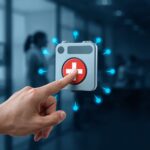
When the senior presses the emergency button, the system connects them to a monitoring center that can assess the situation, contact emergency services, and notify family members or caregivers if needed. Some systems also include automatic fall detection, which sends alerts even if the user cannot press the button.
Living Alone and Safety Concerns
A large number of seniors in the USA live alone by choice or circumstance. While living independently offers freedom and comfort, it can also increase vulnerability during emergencies. If a senior falls or becomes ill and cannot reach a phone, help may be delayed.
A medical alert system ensures that seniors are never truly alone. Even when family members are far away, the system provides a constant safety connection to trained professionals who can respond immediately.
Faster Emergency Response Saves Lives
In medical emergencies, time is critical. Delays in receiving help can lead to severe complications or long-term health issues. A medical alert system significantly reduces response time by connecting seniors directly to emergency support.
Instead of searching for a phone or trying to call for help, seniors can simply press a button on their wearable device. This immediate response can make a life-saving difference, especially during falls, heart-related incidents, or sudden medical distress.
Support for Falls and Mobility Issues
Falls are one of the most common reasons seniors need emergency assistance. Many seniors experience reduced balance, muscle strength, or vision, increasing fall risk. Some falls can leave individuals unable to move or reach help.
Medical alert systems with fall detection provide added protection by automatically identifying a fall and sending an alert to the monitoring center. This feature is especially helpful if the senior is unconscious or unable to press the emergency button.
Peace of Mind for Families and Caregivers
Medical alert systems benefit not only seniors but also their families and caregivers. Loved ones often worry about a senior’s safety, especially if they live far away or cannot check in regularly.
Knowing that a medical alert system is in place provides reassurance that help will be available in an emergency. Many systems also allow caregivers to be notified when an alert occurs, keeping them informed and involved.
Encouraging Independent Living
One of the biggest advantages of a medical alert system is that it supports independence. Seniors often prefer to stay in their own homes rather than move to assisted living facilities. A medical alert system makes this possible by adding an extra layer of safety.
With reliable emergency support, seniors can continue daily activities such as cooking, gardening, or walking outside with greater confidence. This independence positively impacts mental well-being and overall quality of life.
Easy-to-Use Technology for Seniors
Modern medical alert systems are designed with simplicity in mind. Devices typically feature large, easy-to-press buttons and clear voice communication. Many are water-resistant, allowing seniors to wear them in the shower, where falls commonly occur.
The ease of use ensures that seniors of all technology comfort levels can operate the system without confusion or stress.
Coverage at Home and On the Go
Many USA medical alert systems now offer mobile options with GPS tracking. These systems work not only at home but also outside, providing protection during walks, errands, or travel.
Mobile coverage ensures that seniors are protected wherever they go, making these systems ideal for active older adults who want safety beyond the home.
Affordable Safety Solution
Compared to the cost of assisted living or in-home nursing care, medical alert systems are a relatively affordable safety solution. Most systems operate on a monthly monitoring fee, with optional features available based on individual needs.
This affordability makes medical alert systems accessible to a wide range of seniors and families.
Key Benefits of a Medical Alert System for Seniors
- Immediate access to emergency help
- Faster response times during critical situations
- Increased confidence and independence
- Reduced fear of living alone
- Peace of mind for families and caregivers
- Support during falls and medical emergencies
These benefits make medical alert systems an essential tool for senior safety in the USA.