
Choosing the right USA medical alert system is an important decision for anyone seeking reliable safety support during emergencies. These systems offer immediate access to help with just a button press, which can be especially valuable for seniors, people with health conditions, and individuals living alone. With many options available, it is essential to understand what features to consider, how different systems work, and how to match the technology to your specific needs.
This article explains how to choose the right USA medical alert system by breaking down key factors, comparing system types, and offering practical guidance for smart decision-making.
What Is a USA Medical Alert System?
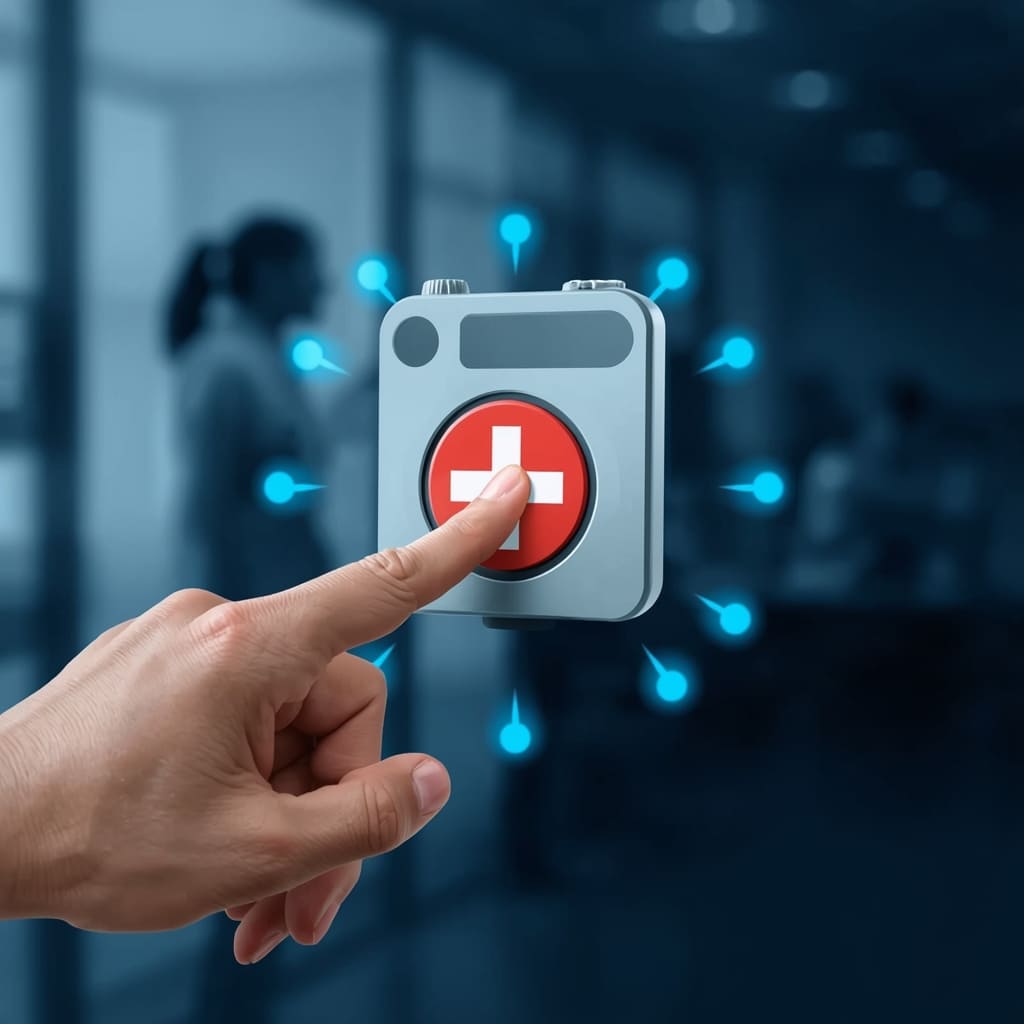
A USA medical alert system is a personal emergency response device designed to connect users to trained professionals during emergencies. These systems typically include a wearable device, such as a pendant or wristband, and a monitoring service that operates around the clock. When an emergency happens, the user presses a button or triggers an automatic alert, allowing the monitoring center to send help quickly.
Medical alert systems are widely used in homes, assisted living situations, and even outdoors through mobile solutions.
Why Choosing the Right System Matters
Not all medical alert systems are the same. Selecting the wrong system could mean paying for unnecessary features, limited coverage, or poor monitoring support. Choosing the right system ensures:
- Continuous protection and fast emergency response
- Features that match your lifestyle and safety needs
- Comfort and ease of use
- Value for the investment

Key Factors to Consider
When evaluating different USA medical alert systems, consider the following:
1. Monitoring Services
An essential part of any medical alert system is the monitoring center. This is where trained professionals receive alerts and determine the appropriate action.
Questions to ask:
- Is monitoring available 24/7?
- Are operators trained in emergency response?
- Does the service notify family members or only emergency responders?
Reliable monitoring ensures that alerts are handled quickly and appropriately.
2. Type of System
There are two main types of medical alert systems:
In-Home Medical Alert Systems
These systems work inside the home. They usually include a base unit that connects to a landline or cellular network and a wearable device for emergencies.
Best for: Seniors or individuals who stay mostly at home.
Mobile Medical Alert Systems
These systems use cellular networks and GPS technology to operate both inside and outside the home.
Best for: Active individuals who go outdoors or travel frequently.
3. Fall Detection
Some systems include automatic fall detection. This feature can trigger an alert without pressing a button if a fall is detected.
Benefits of fall detection:
- Protection even if the user is unconscious
- Faster emergency response during serious incidents
Fall detection is especially valuable for people with limited mobility or a history of falls.
4. Two-Way Communication
Two-way communication allows the user to talk directly to the monitoring center through the device. This feature ensures that responders understand the nature of the emergency and the level of help required.
Systems with clear and reliable voice communication are preferable.
5. Range and Coverage
If you choose an in-home system, check how far the wearable device works from the base unit. Some systems may have limited range, which can affect performance in larger homes.
For mobile systems, confirm that the device provides nationwide cellular coverage and GPS tracking.
6. Device Design and Comfort
The wearable device should be comfortable and easy to use. Consider factors such as:
- Size and weight
- Water resistance (important in bathrooms)
- Button size and accessibility
- Wearable options (pendant, wristband, watch)
Comfort and ease of use increase the likelihood that the user will wear the device consistently.
7. Battery Life
Check how long the device battery lasts and how often it needs charging. A long battery life reduces the risk of unexpected shutdown during emergencies.
Some systems include battery alerts to remind users when charging is needed.
8. Cost and Contracts
Medical alert systems may involve:
- Equipment purchase or rental fees
- Monthly monitoring fees
- Optional feature costs (such as fall detection or GPS)
Compare total costs across different systems. Be sure to understand contract terms, cancellation policies, and whether there are hidden fees.
Comparing System Types
| Feature | In-Home System | Mobile GPS System |
|---|---|---|
| Works Inside the Home | Yes | Yes |
| Works Outside the Home | No | Yes |
| GPS Tracking | No | Yes |
| Fall Detection | Optional | Yes |
| Two-Way Communication | Yes | Yes |
| Best For | Home-bound users | Active users |
Use this table to match your lifestyle with the right system type.
Red Flags to Watch For
When comparing medical alert systems, avoid:
- Systems without 24/7 monitoring
- Contracts with long-term lock-in periods
- Poor customer support reviews
- Devices with limited range or weak signal coverage
- Systems that require frequent charging with short battery life
A high-quality system should be reliable, easy to use, and supported by responsive monitoring staff.
Tips for Making the Right Choice
Here are practical steps to ensure you choose the right medical alert system:
1. Assess Daily Activities
Consider where the user spends most of their time — at home, outdoors, or both.
2. Talk With Family Members
Discuss safety needs with caregivers and family members to understand expectations and concerns.
3. Read Reviews and Comparisons
Check user reviews and expert comparisons to learn about reliability and customer experiences.
4. Test the System if Possible
Some companies offer trial periods. Testing the system can help you understand its performance and usability.
5. Choose a Trusted Provider
Select a reputable company with a proven track record in emergency monitoring and customer support.
Benefits of Choosing the Right System
When you choose the right USA medical alert system, you get:
- Reliable emergency response
- Increased independence and confidence
- Customized safety features that match personal needs
- Better value for your investment
- Peace of mind for family and caregivers
A system that fits well into daily life can make a significant difference in long-term safety.
Final Thoughts
Choosing the right USA medical alert system is not a one-size-fits-all decision. It requires careful evaluation of monitoring quality, system type, features, cost, and lifestyle needs. By understanding these factors, you can select a system that offers dependable protection, immediate support in emergencies, and peace of mind for you and your loved ones.
Review options carefully, compare features, and prioritize systems that offer the best balance of safety, comfort, and value. With the right medical alert system, you can enhance safety and maintain independence with confidence.